
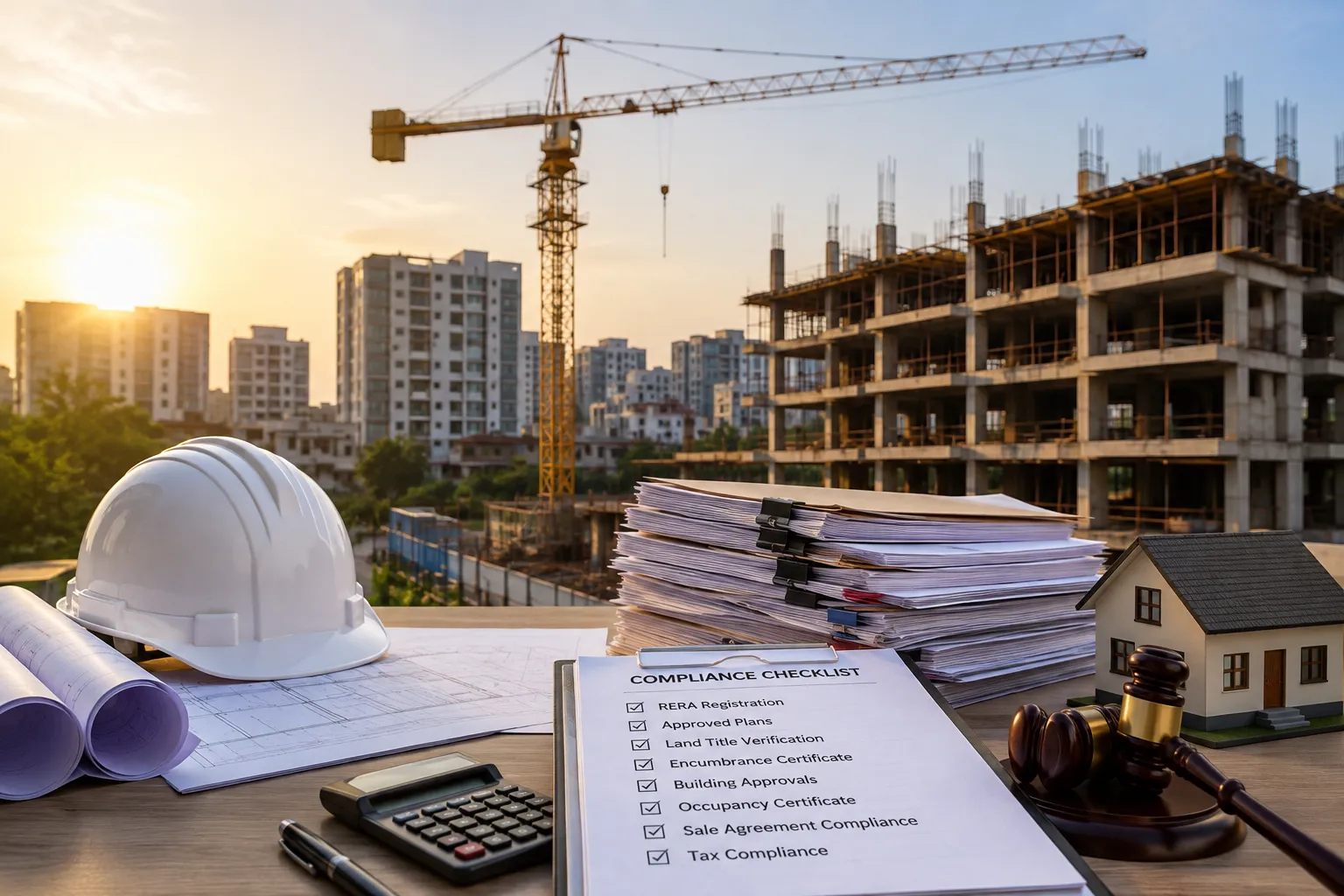
If you’re buying a property in Bhubaneswar, you’ve probably heard the term “RERA compliant” thrown around. But what does it actually mean for you as a buyer? And why should you care whether a developer follows RERA rules or not?
RERA (Real Estate Regulation and Development Act) is a set of rules that governs how developers operate in India. For buyers in Bhubaneswar, it means developers must be registered, transparent about their projects, and accountable if things go wrong. Essentially, RERA protects you from fraud, hidden costs, and unfinished projects. Before signing anything, you need to know what RERA compliance actually requires from developers and how to verify it yourself.
What Is RERA and Why It Matters in Bhubaneswar
RERA came into effect in 2016 as a national framework, but Odisha adopted it through the Odisha Real Estate Regulatory Authority (ORERA). Think of it as a rulebook that keeps developers honest. Without RERA, developers could take your money, promise you a flat in 2 years, and disappear. RERA makes sure that doesn’t happen.
In Bhubaneswar, where real estate is booming with new residential projects popping up regularly, RERA compliance separates legitimate builders from fly-by-night operators. When a developer is RERA-registered, it means they’ve passed basic checks and are subject to regular oversight. They can’t just build whatever they want, wherever they want, or charge whatever they feel like.
For you as a buyer, this is huge. It means there’s a legal framework backing your investment and a regulator to complain to if things go sideways.
Key RERA Compliance Requirements Developers Must Follow
Registration with ORERA
This is the first and most basic requirement. Every developer operating in Odisha must register their real estate project with the Odisha Real Estate Regulatory Authority. Registration isn’t automatic – the developer has to apply, provide documentation, and get approval. Once registered, the developer gets a unique registration number that you can verify.
Red flag: If a developer can’t show you a valid RERA registration number or certificate, walk away. This is non-negotiable.
Project Information Disclosure
RERA requires developers to upload complete project details on the official ORERA website. This includes the layout plan, timeline, specifications, and pricing. You have the right to access this information before buying. It’s not hidden in a back office – it’s supposed to be public.
What should you look for? The project approval from the municipality, the land ownership documents, the building plan sanctioned by the civic body, and environmental clearances if applicable. If a developer is vague about any of this, that’s a warning sign.
Escrow Account and Fund Management
Here’s where RERA really protects your money. Developers must open an escrow account (a neutral third-party account) and deposit your payments there. They can’t just dump your money into their personal or business account. The money is released in stages as construction milestones are completed and verified.
This means if a developer abandons the project halfway, your money isn’t lost – it’s protected in that escrow account. Without this rule, you’d be competing with creditors and banks to get your money back.
Timely Delivery of Possession
RERA mandates that developers deliver your property by the agreed-upon date. If they’re late, they have to pay you interest. The rate is usually the RBI repo rate plus 2%, which adds up quickly. This incentivizes developers to finish on time.
When you sign a purchase agreement, the completion date should be clearly stated. RERA makes that deadline legally binding.
Structural Stability and Quality Standards
Developers must follow the National Building Code and local building bylaws. They can’t cut corners on materials or construction methods. RERA also requires a defect liability period – usually 5 years – where the developer is responsible for fixing structural defects at no cost to you.
Transparency in Pricing and Charges
RERA forbids hidden charges. Every cost – carpet area, parking, maintenance, GST – must be disclosed upfront. Developers can’t suddenly add charges after you’ve agreed to buy. The price breakup must be in writing and part of your agreement.
How to Verify RERA Compliance Before You Buy
Check the ORERA Website
Visit the official Odisha Real Estate Regulatory Authority website (https://rera.odisha.gov.in/). Search for the project name or the developer’s name. You’ll find the registration number, project details, and current status. This takes 5 minutes and could save you lakhs.
Ask for the Registration Certificate
The developer should have a printed RERA registration certificate. Ask to see it. Verify the registration number matches what’s on the ORERA website. Check the expiry date – registration is valid for a specific period and needs renewal.
Review the Project Information Sheet
RERA requires developers to provide a standardized project information sheet. This document lists the project timeline, carpet area details, price breakup, and payment schedule. Request this from the developer or download it from ORERA’s portal. Compare it with what the sales team is telling you verbally.
Verify Land Ownership
Check the land title documents. The developer should own the land outright or have clear permission to develop it. If the land is mortgaged or has disputes, that’s a red flag. You can check property records at the local Sub-Registrar’s office in Bhubaneswar.
Confirm Building Approvals
Ask for proof that the municipal corporation (Bhubaneswar Municipal Corporation, if you’re in the city) has approved the building plan. This approval should be recent and valid. If the building plan is 10 years old but construction just started, something’s off.
Common RERA Violations You Should Know About
Misrepresenting Project Specifications
A developer claims 1200 sq ft carpet area but delivers 1100 sq ft. Or promises a certain view that doesn’t exist. RERA violations. You have the right to compensation or cancellation of the agreement.
Missing or Delayed Possession
The project is supposed to be ready in 24 months, but it’s still under construction at month 36. RERA allows you to claim interest on your investment or cancel the agreement and get your money back with interest.
Undisclosed Charges
You agreed to buy at Rs 50 lakhs, but suddenly the developer adds “maintenance charges” or “society charges” that weren’t mentioned before. This is a clear RERA violation. You can refuse to pay and escalate to ORERA.
Selling the Same Unit Twice
It’s rare but happens. A developer sells the same flat to two different buyers. RERA mandates that once a unit is booked, it can’t be sold to anyone else. If this happens to you, ORERA can intervene and order the developer to refund your money with interest.
What to Do If a Developer Violates RERA
If you suspect a RERA violation, you have options. First, try resolving it directly with the developer – sometimes it’s just a miscommunication. If that doesn’t work, file a complaint with ORERA. The process is relatively simple and doesn’t require a lawyer (though having one helps).
ORERA has the power to impose fines on developers, order refunds, and even cancel their registration. Complaints are typically resolved within a few months, though complex cases can take longer.
When filing a complaint, keep all documents – your purchase agreement, payment receipts, emails, and communication with the developer. The more evidence you have, the stronger your case.
Frequently Asked Questions
How do I know if a developer is RERA-registered?
Visit the ORERA website and search for the project or developer name. You can also ask the developer directly for their registration number and verify it on the portal. If they refuse or can’t provide it, they’re not registered.
Can a RERA-registered developer still commit fraud?
RERA registration doesn’t guarantee perfection, but it significantly reduces the risk. It means the developer has been vetted and is subject to oversight. Fraud is harder to pull off when there’s regulatory scrutiny. That said, always verify details yourself and don’t rely solely on RERA registration.
What’s the difference between RERA and building permits?
Building permits (from the municipal corporation) ensure the construction follows local bylaws and safety standards. RERA registration ensures the developer is legitimate and the project details are transparent. You need both. A project can have building permits but not be RERA-registered, which is a problem.
Can I cancel my agreement if the developer misses the deadline?
Yes. Under RERA, if the developer doesn’t deliver by the agreed date, you can cancel the agreement and demand your money back with interest. You also have the option to wait and claim interest for the delay. The choice is yours.
Is RERA applicable to all properties in Bhubaneswar?
RERA applies to projects with more than 500 sq meters of land area and multiple units. Small individual plots or single-unit properties are exempt. But most residential projects in Bhubaneswar fall under RERA’s scope.
End Note
RERA compliance isn’t just bureaucratic jargon – it’s your legal shield as a buyer. Before you commit your hard-earned money to any property in Bhubaneswar, verify the developer’s RERA registration, review the project details on ORERA’s portal, and understand your rights. When you’re browsing residential properties in Bhubaneswar or nearby areas, prioritize RERA-compliant projects. You can browse verified listings on Odisha Property Finder to compare options and connect directly with sellers and agents who understand these requirements.